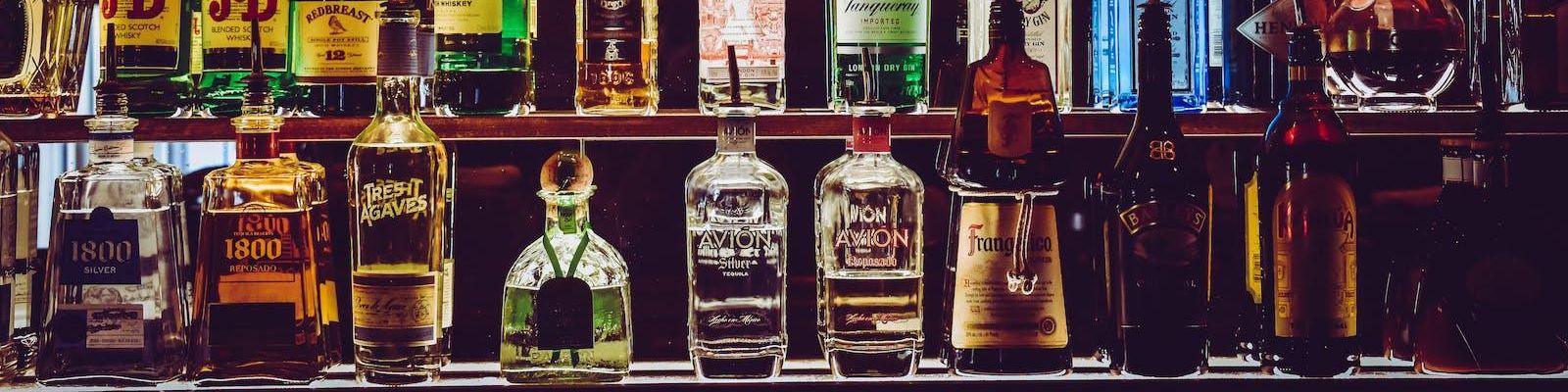
Popular brands: Bailey's Irish Cream, Kahlúa, Jägermeister, Grand Marnier
Popular brands: Bailey’s Irish Cream, Kahlúa, Jägermeister, Grand Marnier.
The terms cordial and liqueur are interchangeable. Liqueurs combine a distilled spirit with flavorings. Many were developed in the Middle Ages as medical remedies or love potions.
Cordials and liqueurs are usually sweet. They must contain at least 2.5% sugar by weight; most contain considerably more, and some as much as 35%. If the product contains less than 10% sugar by weight, it must be labeled as “dry.” Sugar may come from beet, maple, sugar cane, honey, corn, or a combination.
Most cordials and liqueurs contain 17–30% alcohol by volume (34–60 proof). Some contain 50% or more alcohol by volume (100 proof).
How Flavors Are Extracted
There are three common methods:
- Infusion or maceration: Fruit is crushed and soaked in water (infusion) or alcohol (maceration), often for months. Liquid is drawn off, filtered, combined with distillate from the fruit, then sweetened.
- Percolation: A distilled spirit is pumped through leaves or herbs for hours, days, weeks, or months. The flavoring agent is then distilled and added back; the product is sweetened, colored if needed, and bottled.
- Distillation: Seeds or flowers are soaked in alcohol, then distilled with additional spirits in a copper pot still. The result is sweetened and usually colored before bottling.
Generic vs Proprietary
Generic cordials follow universally known recipes (for example, amaretto). Proprietary cordials use secret recipes (for example, Bénédictine).
After Dinner & Aperitif
Liqueurs are often labeled as after-dinner drinks or aperitifs. After-dinner drinks aid digestion or savor a meal. Aperitifs are consumed before a meal to stimulate the appetite.